
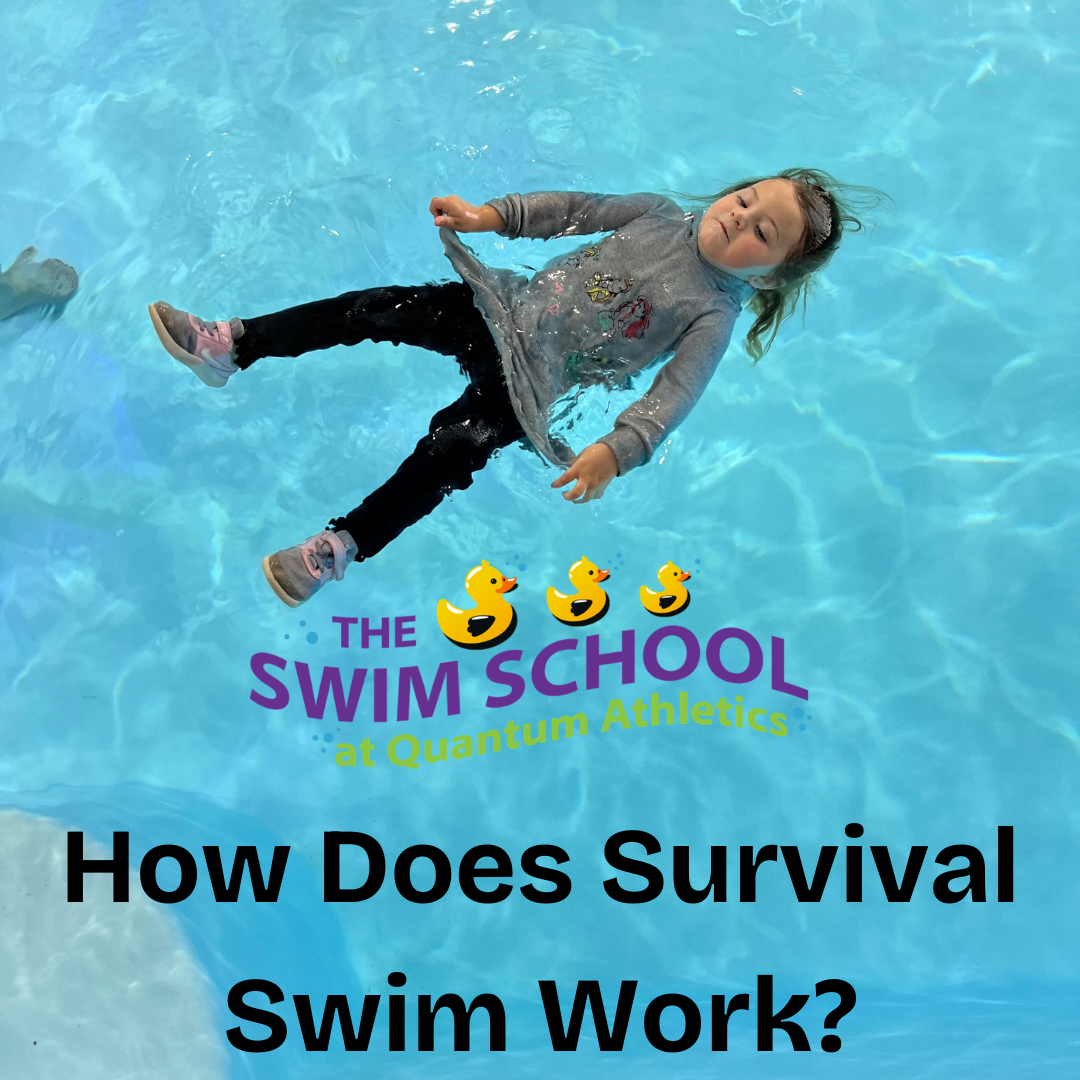
Survival swim is one of the most important and life-saving skills a child can learn. Designed specifically to teach children essential water safety techniques, Survival Swim focuses on ensuring that your child has the skills and confidence to stay safe in the water—no matter the situation. But how exactly does it work? Let’s break it down!
1. What is Survival Swim?
Survival Swim is a specialized swim program that teaches children to respond to water emergencies through a combination of floating, self-rescue techniques, and basic swimming skills. The goal is to equip children with the ability to save themselves in the event of a fall or an unexpected situation in the water.
These lessons are designed to be practical, hands-on, and focused on water survival. Survival Swim teaches children to instinctively perform life-saving actions—like floating on their back, swimming to the edge of the pool, or flipping onto their backs to breathe—without relying on help from an adult.
2. How Does It Work?
Survival Swim programs are typically broken down into a series of progressive lessons. The exact curriculum can vary, but it usually includes the following stages:
a. Water Comfort and Safety Skills
For younger children, the first step is getting them comfortable in the water. In these early lessons, they learn how to enter the water safely, float on their back, and begin to develop breathing control. These skills lay the foundation for future survival techniques and help them feel more confident in the water.
b. Self-Rescue Techniques
Once children are comfortable in the water, they are taught self-rescue techniques, which include:
-
Flipping onto their backs to float and catch their breath
-
Treading water to stay afloat until help arrives
-
Swimming to the edge of the pool or to a safety area
-
Climbing out of the pool using the edge
These techniques are vital because, in an emergency, children need to be able to get to safety on their own if no one else is around.
c. Repetition and Reinforcement
The key to success in Survival Swim is repetition. Regular, consistent lessons help children refine their skills, making these techniques feel like second nature. The more often they practice, the more confident and capable they become in real-life situations.
d. Short, Focused Sessions
Survival Swim lessons are typically shorter than regular swim lessons, usually around 15-30 minutes. This allows children to stay focused and absorb the essential skills without becoming fatigued or overwhelmed. Plus, it’s easier for younger children to maintain attention in short bursts of intense learning.
e. Parent Involvement and Observation
During Survival Swim lessons, parent involvement is crucial, especially for younger swimmers. Parents are encouraged to observe the lessons and be part of the learning process, even if their child is in the water with an instructor. Understanding how to support your child’s learning journey is an essential part of ensuring their safety.
3. Why Is Survival Swim So Important?
Drowning is a leading cause of accidental death for young children, especially in and around pools. Survival Swim equips children with the skills to protect themselves if they ever find themselves in an emergency situation. Knowing how to float, breathe, and swim to safety can make the difference between life and death.
Early and consistent Survival Swim lessons give children the confidence and independence they need to handle unexpected situations in the water. These lessons also promote a sense of safety for parents, knowing that their child has the skills to self-rescue and remain calm if they fall into the water.
4. The Benefits of Survival Swim:
-
Increased Water Safety: Children learn life-saving skills that can help prevent drowning.
-
Enhanced Confidence: By mastering self-rescue techniques, children gain confidence in their ability to handle themselves in the water.
-
Improved Motor Skills: Swimming and floating exercises develop coordination, strength, and body awareness.
-
Lifelong Skill: The skills learned in Survival Swim are practical, survival-based skills that can save lives, and they stay with children throughout their lives.
5. Is Survival Swim Right for My Child?
Survival Swim is designed for children as young as six months, with programs often tailored to specific age groups. The program can be especially helpful for children who may not yet be comfortable in the water or who have limited swimming experience.
At Quantum Athletics, we offer a Survival Swim program designed to help children learn these crucial water safety skills in a fun, supportive, and safe environment. Whether your child is a baby just starting to dip their toes in the water or an older child refining their self-rescue abilities, our experienced instructors can guide them to success.
Start Your Child’s Water Safety Journey Today
Water safety is a gift every parent can give their child. Don’t wait—enroll your child in Survival Swim lessons today to ensure they have the skills, confidence, and safety awareness they need in and around the water.
💦 Register today at 👉 swimatquantum.net
#SurvivalSwim #WaterSafety #SelfRescue #QuantumAthletics #LearnToSwim #SwimSafety #DrowningPrevention
